
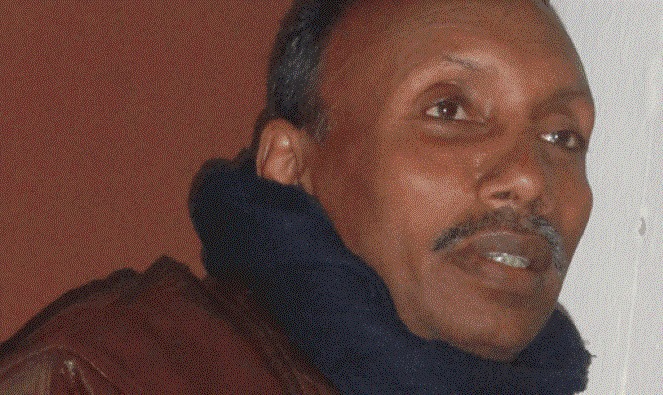
– Gopal Thakur
Existence of a state depends on feelings of integrity. Integral feelings commence with participation and enjoyment of sovereignty. If so, all the peoples in the state feel independence and, if not, integrity, sovereignty and independence are all enjoyed by the only ruling elites. In a nation state, the ruling elites are the outcome of class domination. Therefore, the class struggle in inevitable for progressive development of the nation and state simultaneously. On the contrary, the ruling elites come to be the outcome of the national domination in a pluri-national state or state of nations. Therefore, the ruling elites are the conqueror nationals and all the conquered ones are the ruled populace in the state of nations. It doesn’t mean the ruling elite nation is a close neighbour or an alien foreigner of the ruled ones; it is the state of imperialism. In this circumstance national liberation is the first utmost condition for progressive development of the society. In the history, the British Empire was a foreign colonial rule over India and till date the Gorkha Empire is a neighbouring colonial rule over Madhesh and other defeated nations in the name of Nepal. So, the struggle for national liberation is a pre-condition for progressive and positive development in Nepal.
But the ruling elites always allege the ruled populace to be separatist, traitor or anti-nationalist even the ruled nationalities fight for self-rule, autonomy, federalism, right to self-determination. During Rana regime and Monarchy, the rebel democrats and communists were all declared anti-national elements. These days the ruling Khas-Gorkhali democrats and communists all blame on agitating Madheshees and other nationals of being opponents of integrity, sovereignty and independence of Nepal. It clarifies the facts that there is no change in the mindset of the ruling elites either they were Rana, Kings or now they are the leaders of the parties based on the principles of democratic-socialism, communism or monarchy. Because all sorts of political powers of the Khas-Gorkhali nationals are ruling together in Nepal, and so, they are all in suppressive mood against all non-Gorkha nationals in the neo-Empire. Therefore, the leadership of the current ruling parties in Nepal must realize the real meaning, sense and spirit of integrity, sovereignty and independence.
Integrity is the state of togetherness of the people. It is the feeling of being part of the state. If the state is a combination of the representatives of haves and have-nots together, if the state is a combination of the proportional representatives of all the nations in a pluri-national state or a state of nations, the state becomes an outcome of integration. If so, the integrity of a state is sustainable. In this circumstance, the sovereignty is enjoyed by all classes and nationalities in the state. So, sustainable integrity consolidates sovereignty and a fully sovereign state can only be treated as and an independent one. Let’s judge what the different nationalities in Nepal feel about integrity, sovereignty and independence.
Till date, all the nationalities in Nepal except the Khas-Gorkhali ones are not the integral parts of the state affairs. Because the state affairs are still being fisted by the only Khas-Gorkhas, they are the only integrals of the state. Therefore the integrity of Nepal is always shaky and is thought to be affected by a simple hue and cry staged by any non-Khas-Gorkhali nationals. Among others, Madheshees are always targeted if they raise their voice for equality in the case of inclusion in the state affairs. The whole state machinery including military, bureaucracy, police, media, judiciary, execution and legislature is handled by the Khas-Gorkha nationals only. Earlier, most of them were also excluded and a royalist nepotism was the symbol of integrity of the state. In those days all nationals including the Khas-Gorkhalis too, stood against monarchy. Though the monarchy shouted at the rebels of being opponents of integrity or anti-national elements, the general populace of all caste and creed got victory over monarchy and it was abolished. But right after endorsement of republicanism, the royalist disease of shrinking integrity infected the whole race of Khas-Gorkhalis. So, they only think the real successor of the reign of the state affairs.
This is the very critical stage of struggle against neo-feudal imperialism in Nepal. If not handled properly, disintegration of the state can’t be impossible in a long run. But the ongoing Madhesh movement in Nepal is being staged for national identity-based federalism with constitutional guarantee of national self-determination, formation of a province of whole Madhesh, equal voting rights throughout the state, complete proportional participation in all state affairs, absolute secularism, control on migration in Madhesh, and so on. But the ruling Khas-Gorkhali elites blame the agitators of being elements of disintegration. They connect the movement with dissolution of the sovereignty. Furthermore, they shout at the movement as the threat against independence of Nepal.
In the real sense, Madhesh is completely denied its inclusion in integrity of Nepal. So, it doesn’t enjoy it. So the sovereignty of Nepal is irrespective of Madhesh because it is completely in exclusion of its exercise. In this case, how can Madhesh show that it is part of independence of Nepal? Conversely, Madhesh has the feeling of dependence or slavery as a colony of the Khas-Gorkha Empire. But the dependence cannot go forever in any state. Besides, if prolonged, the Madhesh movement can be turned into war of independence. Therefore, the Khas-Gorkhali nationals must think of the sustainable integration, sovereignty and independence by means of formation of the Federal Democratic Republic in the real sense.
If so, the revision of the seventh constitution is inevitable. But instead, the Khas-Gorkhali ruling nationals have staged a drama of its amendment. The amendment has done nothing more than giving emphasis on geographical territories instead of population for voting constituency demarcation as well as on a tricky language for proportional representation stating it proportional or inclusive representation with very contentious clusters of workers, peasants and Khas-Arya race which the ruling nationals belongs to. In this state, the Madhesh movement can only be changed into its features but it can’t be halted. Let’s think positive and build the new Nepal for all nationals who are its integral parts. If any of those made differential, integrity, sovereignty and independence would be badly affected in a very short span of time.
Kachorwa-1, Bara
January 29, 2016


